Hormone Replacement Therapy in Newtown, PA: Personalized Care for Women in Bucks County and Surrounding Communities
Hormonal changes can quietly disrupt nearly every aspect of a woman’s life. From sleep disturbances and hot flashes to mood changes, brain fog, vaginal dryness, and loss of energy, hormone imbalance—particularly during perimenopause and menopause—can feel overwhelming and isolating.
Women in Newtown, Bucks County, and nearby communities such as Doylestown, Yardley, New Hope, Langhorne, Princeton, and Philadelphia often seek hormone replacement therapy (HRT) when symptoms begin affecting daily function, relationships, and overall well-being.
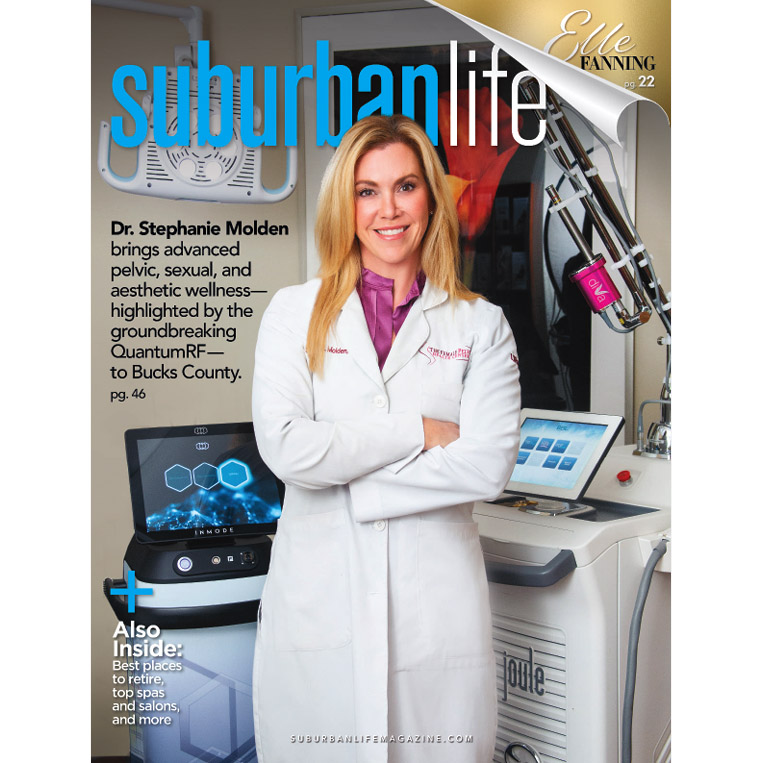
For patients looking for thoughtful, individualized hormone care close to home, Dr. Stephanie Molden is a trusted choice for hormone replacement therapy in the Newtown, Pennsylvania area. Her approach focuses on restoring balance, relieving symptoms, and supporting long-term health—not simply treating lab values.
Understanding Hormonal Changes in Perimenopause and Menopause
Hormone levels naturally fluctuate and decline as women age. These changes often begin years before menopause during perimenopause, when estrogen and progesterone levels become unpredictable. Symptoms may start even while menstrual cycles continue.
Menopause is diagnosed after 12 consecutive months without a menstrual period and reflects a sustained decline in ovarian hormone production. Some women also experience surgical menopause following ovary removal, which can cause more abrupt and intense symptoms.
Hormonal shifts affect more than reproductive health—they influence sleep, mood, metabolism, cognition, bone density, and vaginal and urinary tissues.
Common Symptoms That May Lead Women to Seek HRT
Women throughout Bucks County, Mercer County, Philadelphia, and surrounding areas commonly report:
Vasomotor Symptoms
- Hot flashes
- Night sweats
- Heat intolerance
Sleep and Energy Changes
- Difficulty falling or staying asleep
- Early morning waking
- Persistent fatigue
Mood and Cognitive Symptoms
- Anxiety
- Irritability
- Low mood
- Brain fog or difficulty concentrating
Vaginal and Urinary Symptoms
- Vaginal dryness or burning
- Pain with intercourse
- Recurrent urinary tract infections
- Urinary urgency or discomfort
Sexual Health Concerns
- Reduced libido
- Decreased arousal
- Intimacy discomfort related to tissue changes
Physical and Metabolic Changes
- Weight gain, especially around the abdomen
- Loss of muscle tone
- Joint stiffness or aches
- Skin and hair changes
When these symptoms interfere with quality of life, hormone replacement therapy may be an appropriate option.
What Is Hormone Replacement Therapy?
Hormone replacement therapy involves supplementing hormones—most commonly estrogen and progesterone, and in selected cases testosterone—to help alleviate symptoms caused by hormonal decline.
The goal of HRT is not to halt aging, but to:
- Relieve disruptive symptoms
- Support bone and tissue health
- Improve sleep and energy
- Enhance comfort and quality of life
HRT is most effective when tailored to the individual and regularly monitored.
Why Individualized HRT Matters
Hormone therapy is not one-size-fits-all. Safe and effective treatment depends on:
- Age and time since menopause
- Symptom pattern and severity
- Medical and family history
- Personal risk factors
- Route and dose of hormone delivery
- Patient preferences and goals
A thoughtful, personalized approach reduces risk and improves outcomes.
Hormone Therapy Options Available Locally
Systemic Hormone Therapy
Systemic therapy affects the entire body and may include:
- Oral hormone therapy
- Transdermal patches, gels, or sprays
- Combination estrogen and progesterone therapy when the uterus is present
- Pellets
This approach is often used for hot flashes, night sweats, sleep disruption, and bone protection in appropriate candidates.
Localized Hormone Therapy
Localized vaginal hormone therapy may be recommended for:
- Vaginal dryness
- Pain with intercourse
- Recurrent urinary symptoms
These treatments act primarily at the tissue level and are often well tolerated.
Non-Hormonal Approaches
For women who cannot or prefer not to use hormones, non-hormonal options may help manage specific symptoms and are discussed when appropriate.
Why Women Choose Local Hormone Care in Newtown, PA
Women in Newtown and surrounding areas often prefer hormone care that is:
- Close to home
- Easily accessible for follow-up
- Provided by a clinician who understands women’s health comprehensively
- Grounded in clear communication and shared decision-making
Access to experienced local care allows for continuity, monitoring, and adjustments as needs change.
Why Patients in Bucks County and Nearby Cities Choose Dr. Stephanie Molden
Dr. Molden is known for providing hormone care that addresses the whole person—not just symptoms in isolation.
Comprehensive Women’s Health Expertise
Hormonal changes affect gynecologic, sexual, urinary, emotional, and metabolic health. Dr. Molden evaluates these systems together to provide cohesive care.
Personalized Treatment Plans
Each patient receives an individualized plan based on symptoms, health history, and personal goals—whether that includes systemic hormone therapy, localized treatment, or non-hormonal strategies.
Clear Education and Ongoing Support
Patients value clear explanations about:
- Why symptoms occur
- Available treatment options
- Safety considerations
- What to expect over time
Focus on Quality of Life
The goal of treatment is meaningful improvement in daily comfort, sleep, mood, and confidence—not just symptom reduction on paper.
When to Consider a Hormone Therapy Consultation
You may benefit from an evaluation if:
- Symptoms interfere with sleep, work, or relationships
- Hot flashes or night sweats are persistent
- Vaginal dryness or pain with intimacy develops
- Mood changes or brain fog affect daily life
- You want expert guidance rather than trial-and-error care
Frequently Asked Questions
Is hormone therapy safe?
Hormone therapy can be safe and effective for many women when prescribed appropriately and monitored regularly.
Do I need hormone testing?
Testing may be useful in some cases, but symptoms and clinical history are equally important in guiding treatment.
How soon will I feel better?
Some symptoms improve within weeks, while others may take several months. Response varies by individual.
Will I need long-term treatment?
Duration of therapy is individualized and reviewed regularly based on benefits, risks, and personal preference.
Thoughtful Hormone Care Close to Home
Hormonal changes are a natural part of life—but persistent symptoms should not be ignored. With individualized care, hormone replacement therapy can restore comfort, clarity, and confidence.
For women in Newtown, Bucks County, Philadelphia, Princeton, and nearby communities, Dr. Stephanie Molden offers experienced, patient-centered hormone replacement therapy focused on long-term well-being and quality of life.