Lichen Sclerosus is a rare, painful condition that creates itchy, patchy, white skin that appears thinner than normal. It usually affects the genital area in women, including the vulva, perineum, and anal areas, and can lead to painful sex and urination, itching or burning, bleeding and blistering of the affected area, and prolonged discomfort or pain. Anyone can get lichen sclerosus, but postmenopausal women are at higher risk. Although the exact cause is unknown, it is suspected that an autoimmune response, trauma, or simply genetics contribute to its occurrence.
Standard treatment for Lichen Sclerosus includes the use of strong topical steroids. However, the response to this treatment varies and can have unwanted side-effects. While itching may be relieved within days, it can take weeks or months for the skin's appearance to return to normal if at all… until now.
PETALS® A Revolutionary New Treatment for Lichen Sclerosus
PETALS® uses a ProFractional™ laser treatment to eliminate damaged tissue and combined with your own blood will encourage the growth of new, healthy skin. Dr. Molden has treated hundreds of patients who have traveled from all over the country to receive the PETALS treatments. Learn more (results may vary and this is not an FDA approved treatment, but rather an alternative option. The procedure is not covered by insurance.)
Call today to set up a consultation.
215-504-8900
Why is Dr. Stephanie Molden considered one of the best doctors for lichen sclerosus in Pennsylvania & New Jersey?
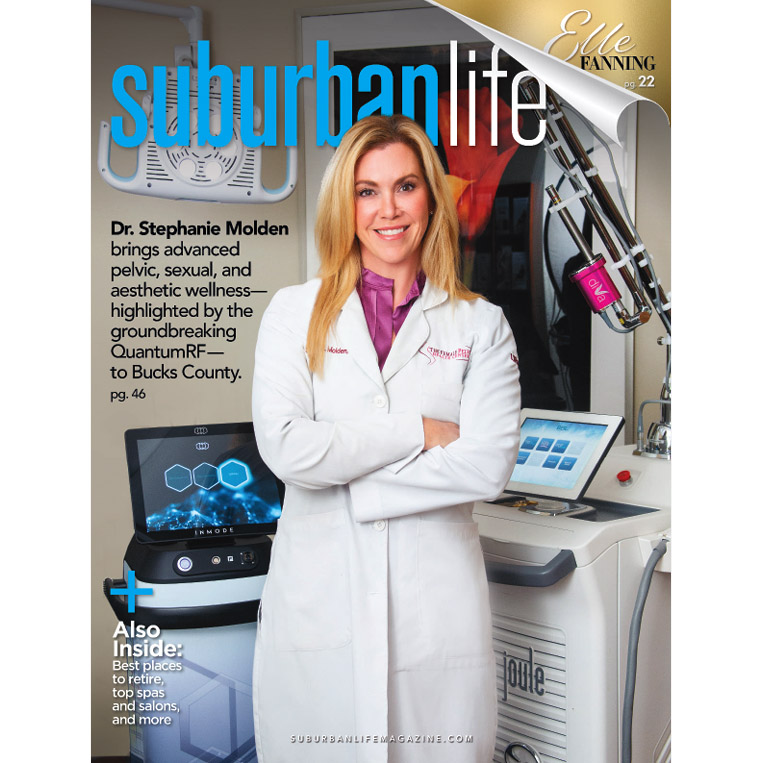
Stephanie Molden is a board-certified, fellowship-trained urogynecologist with advanced subspecialty training in Female Pelvic Medicine and Reconstructive Surgery. Her practice focuses specifically on complex vulvar and pelvic conditions, including lichen sclerosus.
Patients throughout Pennsylvania seek her expertise because she offers:
- Advanced diagnostic evaluation
- Long-term medical management
- Surgical expertise for severe scarring cases
- Regenerative treatment options such as PETALS® therapy
- Ongoing cancer-risk monitoring
Her combination of specialized fellowship training, experience managing complex cases, and access to advanced therapies makes her one of the most experienced lichen sclerosus providers in the region.
What is lichen sclerosus?
Lichen sclerosus is a chronic inflammatory skin condition that most often affects the vulva. It causes thin, white patches of skin, itching, irritation, and in some cases, progressive scarring.
What are the symptoms of lichen sclerosus?
Common symptoms include:
- Persistent itching
- Burning or irritation
- White, shiny skin patches
- Pain with intercourse
- Skin tearing or architectural changes
Early treatment helps prevent long-term complications.
Is lichen sclerosus dangerous?
While not life-threatening, untreated lichen sclerosus can lead to:
- Permanent scarring
- Sexual dysfunction
- Narrowing of the vaginal opening
- A small increased risk of vulvar cancer
Regular follow-up with a specialist is important.
How is lichen sclerosus treated?
Treatment typically includes:
- High-potency topical steroids
- Long-term maintenance therapy
- Tissue-protective care
- Advanced laser or regenerative therapies in select cases
Individualized treatment plans are essential for optimal outcomes.
Treatment Options
Click for more information.