Menopause Care in Pennsylvania: Personalized Treatment for Women in Newtown, Philadelphia, and Across the State
Menopause is a universal life transition, but the experience is deeply personal. For many women across Pennsylvania and New Jersey —from Newtown and Bucks County to Philadelphia, Pittsburgh, Harrisburg, and the Lehigh Valley—menopause brings physical, emotional, and intimate changes that can significantly affect daily life.
Hot flashes that disrupt sleep. Brain fog that interferes with work. Vaginal dryness that causes discomfort or pain with intimacy. Mood changes, anxiety, urinary symptoms, and unexplained weight gain often arrive together, leaving women searching for answers and real solutions.
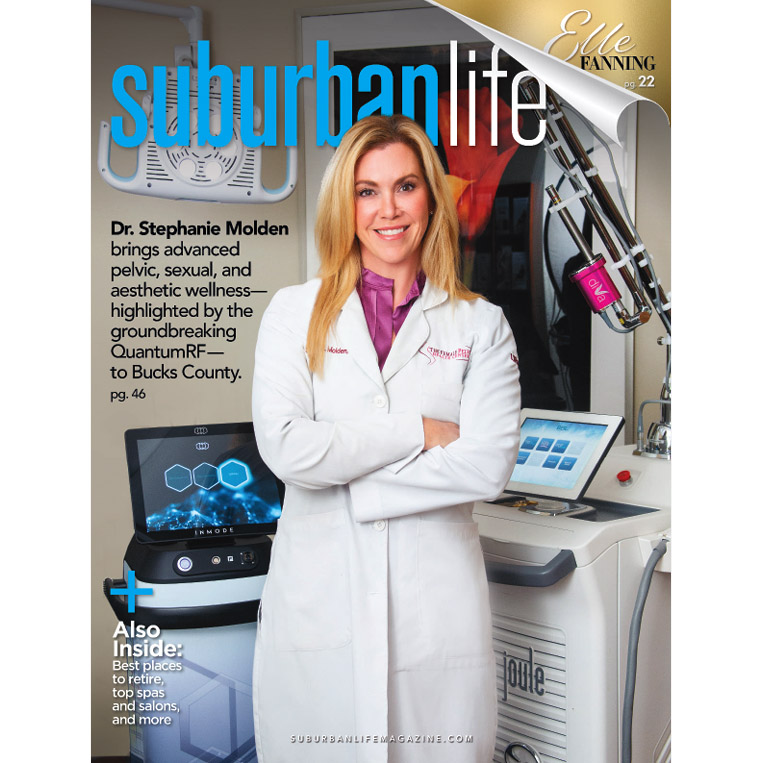
Modern menopause care is no longer about “waiting it out.” Today, women have access to individualized medical care that prioritizes comfort, confidence, and long-term health. For women in Pennsylvania seeking thoughtful, comprehensive menopause treatment, Dr. Stephanie Molden is widely regarded as a trusted and experienced choice.
Understanding Menopause and the Transition Years
Menopause is defined as the point when a woman has gone 12 consecutive months without a menstrual period, signaling the end of ovarian hormone production. The average age is around 51, though it varies widely.
Most women experience symptoms years earlier during perimenopause, when estrogen and progesterone fluctuate unpredictably. These hormonal changes can begin in the 40s—and sometimes late 30s—long before periods stop.
Women who undergo removal of the ovaries experience surgical menopause, which often causes more sudden and intense symptoms due to an abrupt loss of estrogen.
Common Menopause Symptoms Affecting Pennsylvania Women
Women in Newtown, Philadelphia, and across Pennsylvania commonly report the following menopause-related symptoms:
Hot Flashes and Night Sweats
Sudden waves of heat, sweating, flushing, and chills are among the most disruptive symptoms. Night sweats often fragment sleep, leading to exhaustion and irritability.
Sleep Disruption
Difficulty falling asleep, frequent awakenings, or waking too early are common complaints. Poor sleep worsens mood, memory, and overall health.
Mood and Emotional Changes
Hormonal shifts can affect brain chemistry, leading to:
- Anxiety or nervousness
- Irritability
- Low mood or depressive symptoms
- Emotional sensitivity
These changes are biological, not personal weakness.
Brain Fog and Concentration Issues
Many women describe difficulty focusing, forgetfulness, or mental fatigue that interferes with work and daily responsibilities.
Vaginal and Urinary Changes
Lower estrogen levels affect vaginal and urinary tissues, a condition known as genitourinary syndrome of menopause (GSM). Symptoms may include:
- Vaginal dryness or burning
- Pain with intercourse
- Recurrent urinary tract infections
- Urinary urgency or mild leakage
Without treatment, these symptoms typically progress rather than resolve.
Sexual Health Changes
Discomfort, hormonal changes, fatigue, and emotional stress can all affect libido, arousal, and sexual satisfaction.
Weight and Metabolic Changes
Many women notice:
- Weight gain, particularly around the abdomen
- Loss of muscle tone
- Changes in cholesterol or blood sugar levels
These changes are common and manageable with a targeted approach.
Why Individualized Menopause Care Matters
There is no single menopause treatment that works for everyone. Effective care depends on:
- Your specific symptoms
- Medical and family history
- Personal risk factors
- Lifestyle and wellness goals
- Preferences regarding hormonal or non-hormonal therapy
High-quality menopause care begins with listening, education, and shared decision-making.
Menopause Treatment Options Available to Pennsylvania Women
Lifestyle and Foundational Care
Lifestyle strategies often play an important role and may include:
- Nutrition plans to support bone and metabolic health
- Strength training to preserve muscle and reduce fracture risk
- Sleep optimization techniques
- Stress-reduction strategies
- Alcohol moderation, which can improve hot flashes and sleep
Hormone Therapy
Menopausal hormone therapy can be highly effective for:
- Hot flashes and night sweats
- Sleep disruption related to vasomotor symptoms
- Prevention of bone loss in appropriate candidates
Hormone therapy is not suitable for every woman, which is why individualized evaluation and follow-up are essential.
Non-Hormonal Medical Options
For women who cannot or prefer not to use hormones, non-hormonal treatments may help manage hot flashes, mood symptoms, or sleep problems.
Vaginal and Localized Therapies
Localized treatments are often the most effective option for vaginal dryness, painful intercourse, and urinary symptoms. These therapies can restore tissue health and significantly improve quality of life.
Long-Term Health Monitoring
Menopause is also a key time to focus on:
- Bone density and fracture prevention
- Cardiovascular health
- Pelvic floor function
- Preventive gynecologic care
Choosing a Menopause Doctor in Pennsylvania
Women in Pennsylvania—from Newtown and Bucks County to Philadelphia, Pittsburgh, Harrisburg, and Allentown—often discover that not all clinicians approach menopause with the same depth of expertise.
When choosing a menopause provider, look for:
- Specialized training in women’s health
- Experience treating complex menopause symptoms
- Comfort discussing both hormonal and non-hormonal therapies
- Clear communication and patient education
- Ongoing follow-up and individualized treatment plans
Why Women in Newtown and Across Pennsylvania Choose Dr. Stephanie Molden
Many women seek menopause care from a physician who understands that menopause affects far more than hormone levels alone. Dr. Molden is known for providing comprehensive women’s healthcare that addresses physical symptoms, emotional well-being, and intimate health together.
Comprehensive Women’s Health Perspective
Menopause impacts gynecologic, urinary, sexual, emotional, and metabolic health. Dr. Molden evaluates these systems as a whole rather than treating symptoms in isolation.
Personalized Treatment Plans
Women experience menopause differently. Dr. Molden tailors care based on each patient’s symptoms, goals, and medical history—whether that includes hormone therapy, non-hormonal approaches, localized treatments, or a combined strategy.
Education and Shared Decision-Making
Patients value clear explanations about:
- Why symptoms occur
- Available treatment options
- Expected outcomes
- Safety considerations and monitoring
This approach allows women to make informed, confident decisions about their care.
Focus on Comfort, Confidence, and Intimacy
Vaginal discomfort, urinary symptoms, and changes in sexual health are common but often under-addressed. Dr. Molden approaches these concerns with clinical expertise and sensitivity, helping women regain comfort and confidence.
Trusted Care for Women Throughout Pennsylvania
From Newtown, PA to Philadelphia and other major Pennsylvania and New Jersey cities, women seek out Dr. Molden for her thoughtful care, clinical judgment, and commitment to improving day-to-day quality of life during menopause.
When to Schedule a Menopause Consultation
You may benefit from a menopause evaluation if:
- Symptoms interfere with sleep, work, or relationships
- Hot flashes or night sweats are frequent
- Vaginal dryness or pain with intimacy develops
- Urinary symptoms or recurrent infections occur
- Anxiety, mood changes, or brain fog persist
- You want a clear, guided plan rather than trial and error
Frequently Asked Questions
How do I know if I’m in perimenopause?
Irregular cycles, hot flashes, sleep problems, mood changes, and vaginal dryness in your 40s or early 50s often indicate perimenopause.
Is hormone therapy safe for women in menopause?
Hormone therapy can be safe and effective for many women when prescribed appropriately after a thorough medical evaluation.
Do vaginal symptoms go away on their own?
Vaginal and urinary symptoms usually worsen without treatment. Local therapies can provide significant and lasting relief.
Can menopause cause anxiety or memory issues?
Yes. Hormonal changes and disrupted sleep can affect mood, focus, and emotional balance.
How long do menopause symptoms last?
Symptoms vary widely. Some improve within a few years, while others persist without treatment—especially vaginal and urinary symptoms.
Compassionate Menopause Care Close to Home
Menopause is a transition, not a decline. With the right medical guidance, women can feel healthy, confident, and supported throughout this stage of life.
For women in Newtown, Bucks County, Philadelphia, and across Pennsylvania and New Jersey, Dr. Stephanie Molden offers knowledgeable, compassionate menopause care focused on restoring comfort and long-term wellness.