Overactive Bladder Treatment in Newtown, PA: Expert, Compassionate Care for Women in Bucks County and Nearby Communities
Overactive bladder (OAB) is a common but often misunderstood condition that can significantly disrupt daily life. Frequent urges to urinate, sudden urgency, nighttime bathroom trips, and fear of leakage can interfere with work, sleep, exercise, travel, and intimacy. Many women quietly manage symptoms for years—assuming nothing can be done or feeling embarrassed to ask for help.
The reality is that overactive bladder is treatable, and effective care begins with accurate diagnosis and a thoughtful, individualized approach. For women in Newtown, Bucks County, and nearby communities such as Doylestown, Yardley, New Hope, Langhorne, Princeton, and Philadelphia, expert evaluation can make a meaningful difference.
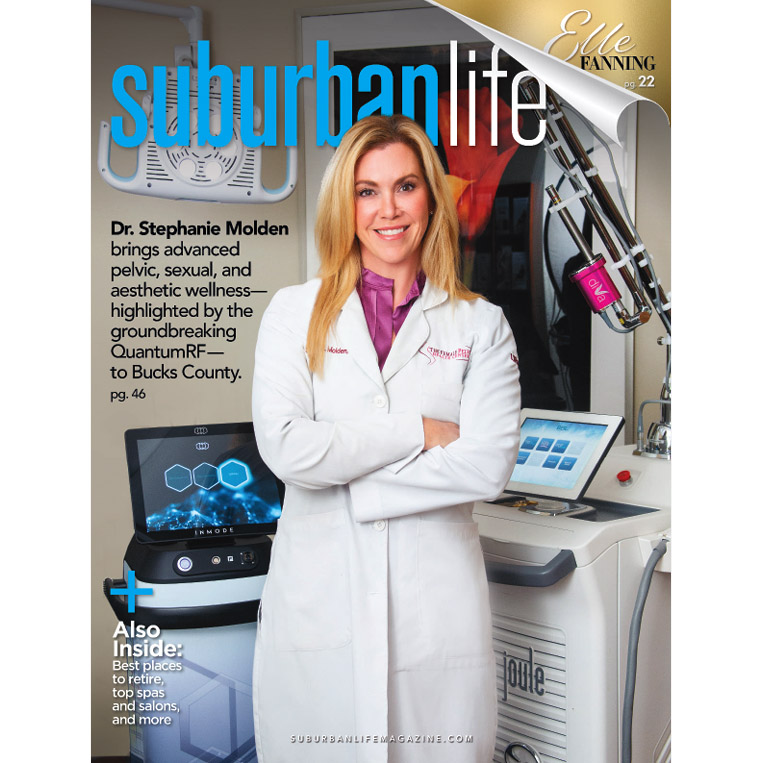
Many women choose Dr. Stephanie Molden for overactive bladder care because of her comprehensive women’s health expertise, careful diagnostic approach, and commitment to restoring comfort and confidence.
What Is Overactive Bladder?
Overactive bladder is a condition characterized by abnormal bladder muscle activity, leading to a sudden, difficult-to-control urge to urinate. It may occur with or without urinary leakage.
OAB is not a normal or inevitable part of aging, and it is different from stress urinary incontinence (leakage with coughing, laughing, or exercise), though some women experience both.
Common Symptoms of Overactive Bladder
- Sudden, urgent need to urinate
- Frequent urination (often more than 8 times per day)
- Nocturia (waking multiple times at night to urinate)
- Urge incontinence (leakage following urgency)
- Anxiety about being away from a bathroom
These symptoms can significantly affect quality of life and emotional well-being.
Why Overactive Bladder Occurs
Overactive bladder develops when the bladder muscle contracts involuntarily, even when the bladder is not full. Contributing factors may include:
- Hormonal changes, especially during perimenopause and menopause
- Pelvic floor dysfunction
- Prior childbirth or pelvic surgery
- Neurologic signaling changes
- Chronic bladder irritation
- Aging-related tissue changes
In many cases, OAB has multiple contributing factors, which is why expert evaluation matters.
Why Many Women Delay Seeking Treatment
Women often delay care for overactive bladder because:
- They believe symptoms are “normal”
- They are embarrassed to discuss urinary issues
- Previous providers dismissed concerns
- They assume treatment only involves medication
- They are unaware of modern treatment options
Left untreated, symptoms often worsen rather than improve.
Comprehensive Evaluation Is Key
Effective treatment begins with understanding why symptoms are occurring. During an evaluation for overactive bladder, Dr. Molden may:
- Review urinary symptoms in detail
- Assess bladder habits and triggers
- Evaluate hormonal status
- Examine pelvic floor and vaginal tissues
- Rule out infection or other conditions
- Distinguish OAB from stress incontinence or prolapse
This careful assessment allows treatment to be targeted rather than trial-and-error.
Overactive Bladder Treatment Options
Treatment for OAB is individualized and may include one or more of the following approaches.
Behavioral and Lifestyle Strategies
Foundational strategies often include:
- Bladder retraining techniques
- Fluid and dietary guidance
- Identification of bladder irritants
- Timed voiding strategies
When done correctly, these approaches can significantly reduce urgency and frequency.
Pelvic Floor-Focused Care
Pelvic floor dysfunction often contributes to OAB symptoms. Addressing muscle coordination and support can improve bladder control and reduce urgency.
Hormonal Support
For many women—especially during menopause—declining estrogen affects bladder and urethral tissues. Localized hormone therapy may improve:
- Urinary urgency
- Frequency
- Recurrent irritation
- Nighttime symptoms
This approach is particularly helpful when OAB overlaps with vaginal dryness or discomfort.
Medical Management
When appropriate, medication options may be discussed to calm bladder muscle overactivity. These are carefully selected based on symptom pattern, tolerance, and medical history.
Advanced and Combination Approaches
Some patients benefit from combining therapies to address multiple contributors simultaneously. Individualized planning is essential for durable improvement.
Why Choosing the Right Provider Matters
Overactive bladder is complex. Treating it successfully requires:
- Accurate diagnosis
- Understanding of female pelvic anatomy
- Experience with menopause-related urinary changes
- Willingness to look beyond a single symptom
- Long-term follow-up and adjustment
Without this, many women are left cycling through ineffective treatments.
Why Dr. Stephanie Molden Is a Top Choice for Overactive Bladder Care
Women throughout Newtown, Bucks County, and nearby Pennsylvania and New Jersey communities seek care with Dr. Molden because of her comprehensive and compassionate approach.
Expertise in Women’s Pelvic and Urinary Health
Dr. Molden understands how bladder symptoms intersect with hormonal changes, pelvic floor health, vaginal tissue changes, and prior childbirth or surgery.
Individualized Treatment Plans
Rather than offering a one-size-fits-all solution, Dr. Molden tailors treatment to the specific cause and pattern of each patient’s symptoms.
Clear Education and Reassurance
Patients appreciate clear explanations about:
- Why symptoms occur
- Which treatments are appropriate
- What improvement looks like over time
This knowledge helps reduce anxiety and empowers patients.
Focus on Quality of Life
Overactive bladder affects confidence, sleep, travel, and intimacy. Dr. Molden’s care focuses on restoring daily comfort and freedom—not just reducing bathroom visits.
Accessible, Local Care
Women value receiving expert bladder care close to home, with continuity and follow-up available as symptoms improve or change.
When to Seek Care for Overactive Bladder
Consider scheduling an evaluation if:
- You urinate frequently or urgently
- You wake multiple times at night to urinate
- You worry about leakage
- Symptoms limit activities or travel
- Bladder symptoms began or worsened around menopause
- You feel dismissed or unheard elsewhere
Early treatment often leads to better outcomes.
Frequently Asked Questions
Is overactive bladder the same as incontinence?
Not exactly. OAB involves urgency and frequency, while incontinence refers to leakage. Some women experience both.
Can menopause cause overactive bladder?
Yes. Hormonal changes can affect bladder and urethral tissues, contributing to urgency and frequency.
Will I need medication forever?
Not necessarily. Many women improve with a combination of therapies and lifestyle strategies.
Is overactive bladder curable?
While not always “curable,” OAB is very manageable with the right approach.
Regain Comfort and Confidence Close to Home
Living with overactive bladder can feel limiting—but effective, compassionate care is available. With individualized evaluation and modern treatment options, many women experience significant relief.
For women in Newtown, Bucks County, Philadelphia, Princeton, and surrounding communities, Dr. Stephanie Molden offers expert overactive bladder care focused on restoring comfort, confidence, and quality of life.