Sacral Neuromodulation in Pennsylvania: Why Patients from Across the U.S. Travel to Newtown, PA for Advanced Bladder and Bowel Control Care
Living with severe bladder or bowel dysfunction can be exhausting, frustrating, and isolating. Constant urgency, frequent urination, nighttime bathroom trips, urinary leakage, or loss of bowel control can affect sleep, work, travel, relationships, and emotional well-being. For many patients, lifestyle changes, pelvic floor therapy, and medications provide limited or temporary relief.
Sacral neuromodulation offers a proven, long-term treatment option for patients whose symptoms have not responded to conservative care. Because the therapy involves precise nerve modulation and careful patient selection, many individuals are willing to travel for experienced care rather than settle for limited local options.
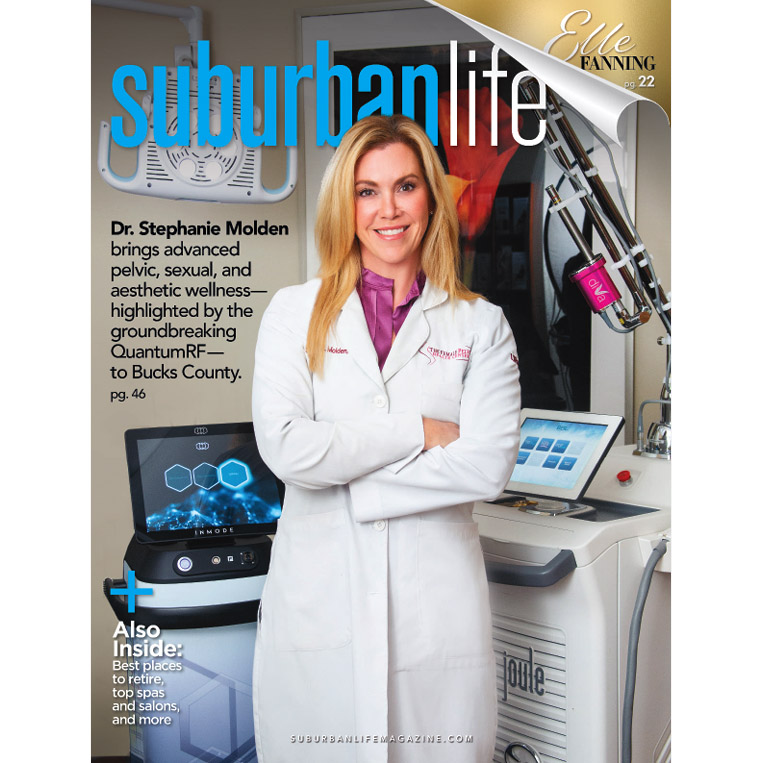
Patients from across the United States travel to Pennsylvania, specifically Newtown in Bucks County, for sacral neuromodulation performed by Dr. Stephanie Molden—while patients throughout Pennsylvania also seek her expertise for advanced bladder and bowel control treatment close to home.
What Is Sacral Neuromodulation?
Sacral neuromodulation (SNM) is a medical therapy that uses gentle electrical stimulation of the sacral nerves, which control bladder and bowel function. These nerves send signals between the pelvic organs and the brain. When signaling is disrupted, symptoms such as urgency, frequency, and incontinence can occur.
SNM works by restoring more normal nerve communication, helping the bladder and bowel function more predictably.
This therapy is commonly used to treat:
- Overactive bladder (OAB)
- Urge urinary incontinence
- Urinary retention
- Fecal incontinence
- Urgency-frequency syndromes
It is not a medication and does not rely on muscle tightening—it directly targets the nerve pathways involved in control.
Why Patients Consider Sacral Neuromodulation
Patients often explore sacral neuromodulation after experiencing persistent symptoms despite other treatments.
Common reasons patients seek SNM include:
- Severe urinary urgency or frequency
- Urinary leakage not controlled by medication
- Frequent nighttime urination disrupting sleep
- Inability to fully empty the bladder
- Fecal urgency or incontinence
- Side effects or poor response to medications
For many patients, SNM represents a life-changing option when other approaches have failed.
Why Patients Travel Across the U.S. for Sacral Neuromodulation
Although sacral neuromodulation is an established therapy, not all providers offer it or have extensive experience managing it. Outcomes depend heavily on proper diagnosis, patient selection, and careful device programming.
Patients travel because they want:
- A physician experienced in pelvic nerve disorders
- Careful evaluation to confirm candidacy
- Clear explanation of the test phase and expectations
- Precise lead placement and programming
- Long-term follow-up and adjustments
Many patients report being offered medications alone or feeling rushed through evaluation locally. Traveling allows them to seek expertise rather than trial-and-error care.
Why Pennsylvania—and Newtown, PA—Is a Destination for SNM Care
Pennsylvania offers convenient access from major U.S. cities via the Philadelphia region. Newtown, PA, provides a calm, private environment for care—ideal for procedures requiring thoughtful evaluation and follow-up.
Patients frequently travel from New York, New Jersey, Florida, Texas, California, Illinois, and the Southeast, often coordinating evaluation and treatment with short visits.
At the same time, patients throughout Bucks County, Philadelphia, the Main Line, Princeton, and surrounding Pennsylvania communities seek sacral neuromodulation care close to home with a physician they trust.
The Sacral Neuromodulation Evaluation
Sacral neuromodulation is not a one-step procedure. Proper evaluation is essential.
Initial assessment typically includes:
- Detailed review of bladder or bowel symptoms
- Evaluation of prior treatments
- Assessment of pelvic and neurologic factors
- Discussion of goals and expectations
If appropriate, patients proceed to a temporary test phase.
The Trial Phase: Testing Before Commitment
One of the most important aspects of sacral neuromodulation is that it is tested before permanent implantation (often done in our onsite surgical center – Surgicare Associates).
During the trial phase:
- A temporary lead is placed near the sacral nerves
- Gentle stimulation is delivered
- Symptoms are tracked over several days
- Patients assess real-world improvement
Only patients who experience meaningful symptom relief move forward with permanent implantation. This step greatly increases satisfaction and success rates.
Permanent Sacral Neuromodulation Implant
For patients who respond well to the trial:
- A small, implantable device is placed under the skin
- The system delivers continuous, adjustable stimulation
- Settings can be customized and modified over time
The device is discreet and designed for long-term use.
Recovery and Daily Life with SNM
Most patients find recovery to be manageable.
Typical experience includes:
- Mild soreness after placement
- Gradual return to normal activities
- Ongoing fine-tuning of stimulation settings
- Significant improvement in urgency, frequency, or leakage
Many patients report improved sleep, increased confidence, and greater freedom in daily life.
Why Experience Matters with Sacral Neuromodulation
Successful SNM therapy depends on:
- Correct diagnosis
- Proper patient selection
- Accurate lead placement
- Thoughtful device programming
- Long-term management and follow-up
Without this, patients may experience suboptimal results or abandon therapy prematurely.
Why Patients Nationwide and Across Pennsylvania Choose Dr. Stephanie Molden
Dr. Molden is sought out by both local Pennsylvania patients and individuals traveling from across the U.S. because of her comprehensive, patient-centered approach to pelvic and urinary disorders.
Expertise in Female Pelvic and Urinary Health
Dr. Molden understands how bladder and bowel symptoms intersect with hormonal changes, pelvic floor health, prior childbirth, and aging.
Careful Evaluation and Patient Selection
Patients appreciate a thorough assessment and honest guidance about whether sacral neuromodulation is the right option.
Clear Education and Ongoing Support
SNM requires understanding and follow-up. Dr. Molden provides clear explanations, realistic expectations, and continued care over time.
Trusted Locally, Chosen Nationally
Patients throughout Pennsylvania recognize Dr. Molden as a trusted provider, while patients from across the United States travel to Newtown, PA for her expertise in advanced bladder and bowel control therapies.
Frequently Asked Questions
Is sacral neuromodulation permanent?
The therapy is long-term, but it is adjustable and reversible if needed.
Will I feel the stimulation?
Most patients describe a mild sensation or none at all once settings are optimized.
Is this a last-resort treatment?
SNM is typically considered after conservative treatments fail, but before more invasive surgery.
How long does the device last?
Device longevity varies based on usage and model and is discussed during consultation.
Is it worth traveling for SNM?
Many patients feel it is, given the importance of experience, testing, and long-term management.
Advanced Bladder and Bowel Control Care You Can Trust
Bladder and bowel dysfunction can quietly take over daily life—but effective treatment exists. Sacral neuromodulation offers a proven option for patients seeking lasting improvement when other therapies fall short.
For patients in Newtown, Bucks County, and across Pennsylvania, as well as those traveling from across the United States, Dr. Stephanie Molden provides sacral neuromodulation care grounded in medical expertise, careful evaluation, and long-term support.